
‘What happens when you get there?’: What to do when CMO is not your end goal
Matthew ValentineWhile CMO might be the ultimate aspiration for many, could marketers be missing out on a variety of opportunities by fixating on a single career path?
While CMO might be the ultimate aspiration for many, could marketers be missing out on a variety of opportunities by fixating on a single career path?

Fresh from qualifying for next season’s Champions League, Aston Villa is embarking on a complete club rebrand in a bid to go global.

We arm you with all the numbers you need to tackle the week ahead.

Flagging negative behaviours may be intended to shock people into action – but it could be having the opposite effect.

The Richmond and Fridge Raiders owner is looking to innovation, as well as repositioning work, to drive growth for its food brands.

At the end of every week, we look at the key stories, offering our view on what they mean for you and the industry. From budgets getting tighter to making any investment as effective as it can be, it’s been a busy week. Here is my take.

A mixture of artificial intelligence and human ingenuity represents a path to future growth, says Coke’s European CMO Javier Meza.

From the strain of an ever-expanding remit to dealing with LinkedIn ‘one-upmanship’, marketers’ confidence in their abilities is being put to the test.

More and more brands are talking about mental availability, but talk is cheap. To understand its value you need to recognise it for what it is – a metric to be measured, studied and tracked.

Supporting The Marketing Society and Stand Up to Cancer, the charity event has raised £910k since its inception in 2016.

This year’s entrants were challenged to focus on a misrepresented part of the LGBTQIA+ community, with the winning campaign intended to “alleviate hostility” faced by the trans community.

Finding ways to make sure that marketing is connected to all parts of the business has been key in differentiating The Very Group and Tesco Mobile.

With a big summer of sport on the horizon, marketers looking to make gains should consider the ‘emotional value’ of building brands via partnerships, says Lisa Walker, head of media and sponsorship at Vodafone.

Asda has revealed a new brand identity alongside a summer campaign highlighting the retailer’s commitment to price and quality.
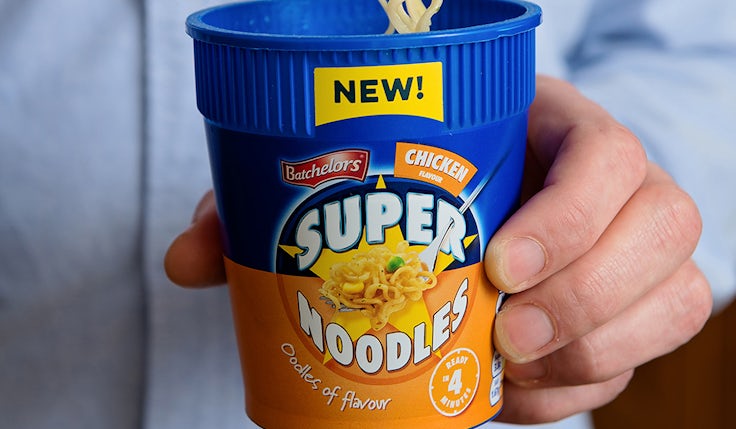
Expanding into new categories has been a source of growth for Premier Foods, while “sharper” promotional price points are supporting its return to volume growth.

In a critically important industry, brands must balance innovation and sector expertise to offer an exemplary customer experience.

Volkswagen’s new brand platform looks to remind customers of the love they have for the brand, while also positioning the car giant for the future.

Not only having to deal with a gender pay gap, women in marketing are more likely to take on additional responsibility without an uplift in pay. It’s a problem with no easy solutions but bubbling frustrations.

Exclusive data from Marketing Week’s 2024 Career & Salary Survey reveals the gender pay gap for full-time workers has improved, but only by a minimal 0.5 percentage points.

With stints at LVMH, Estée Lauder and Makeup by Mario under her belt, Estrid’s first chief brand officer Nico Morga Alden’s “risk prone” approach to her career has served her well.

Women’s career progress and salaries take a dive when they become mums, not because they become less good at their job but because policies around parental leave and childcare continue to be biased.

In a world where less is more, checking insights, aligning KPIs and adopting a mend and repair mindset can make your marketing investment work harder.

Definitions of marketing are wide-ranging and inconsistent, but it’s up to organisations to work out what it means and how it can help them.

Follow British Airways’ example: for every new ad you make, identify at least one customer experience improvement to go with it.


Creative campaigns and exclusive insights from across the agency landscape.

Mars introduced a tool that uses “behavioural philosophy” to predict the impact of creative in driving sales in 2020, part of its eternally evolving effectiveness effort.

Having the right people at the heart of effectiveness programmes is the difference between succeeding and failing.

B2B marketers have long leaned on lead generation as a way to quantify their contribution to revenue, however, with many recognising it can be a blunt measure, is there a better way for marketing to showcase its contributions?

Solving the increasing burden of responsibilities on marketers doesn’t come with any easy answers. But from increasing the profession’s presence in the boardroom to changing the culture of overwork, there are things that can be done.

Marketers should cease pontificating about the validity of CMOs and their time in post, and start focusing on how to do the job better.

Five top marketers from a range of businesses share their outlook for the future of marketing leadership, from struggles with role fragmentation to the need to be deep collaborators.

High levels of inflation have forced many brands to lean on increased prices as a lever of sales growth. This year, growth will have to come from elsewhere, presenting marketers with a huge challenge.

Maintaining a balance between price and footfall growth is a “North Star” for the McDonald’s business, which hopes its growing loyalty scheme will help it further step up its pricing strategy.
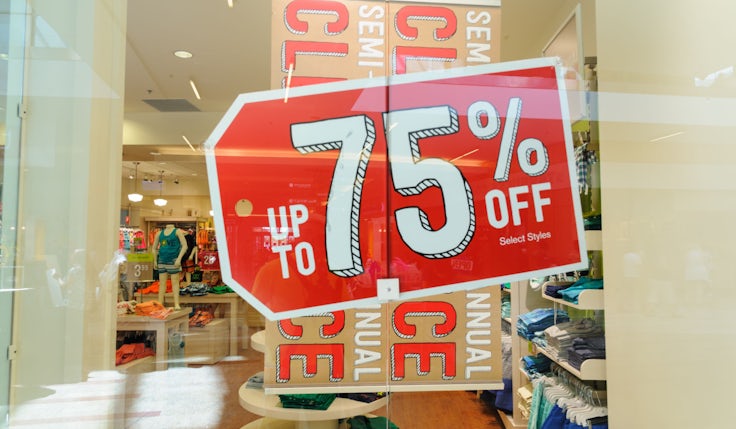
Escaping dependence on price promotions is a tough challenge, but it’s achievable with Mark Ritson’s systematic approach.


AI is making strides in retail personalisation and marketing content creation, and will continue to be a game-changer alongside expert human judgement.

If engagement is falling, your technology isn’t serving your objectives or campaign stagnation is creeping in, it may be time to switch or upgrade your marketing platform. Here’s what you should know.

Virtual production helps brands to cut the costs and environmental harms of video shoots, without compromising on the creative possibilities.