
‘It’s chaos’: How the recruitment process for marketing roles is evolving
Molly InnesAs brands are reportedly demanding an increasing number of interview stages, marketers say they’re being asked to do more than ever to get a foot in the door.
As brands are reportedly demanding an increasing number of interview stages, marketers say they’re being asked to do more than ever to get a foot in the door.

Britvic CMO Cindy Tervoort believes in using creativity to drive business impact, but is wary of how “fragmenting” budget can stop brands standing out.

Definitions of marketing are wide-ranging and inconsistent, but it’s up to organisations to work out what it means and how it can help them.

The changes are aimed at making the two segments “more connected” to the Johnson & Johnson brand, the business says.

Created in just a few short months, Wellsoon is a challenger private healthcare brand that is aiming to open a category that many still feel isn’t affordable to them and tackle NHS waiting lists.

Follow British Airways’ example: for every new ad you make, identify at least one customer experience improvement to go with it.

Adidas increased investment in marketing by 9% in the first quarter as it looks to build “brand heat”.

Coca-Cola has innovated by creating long-lasting new products, renovating existing products, launching “novel” products, and designing new pack formats, all of which are “driving the business”, says CEO James Quincey.

The rules of content marketing are evolving faster than ever – here’s why.

The financial services firm is bolstering its brand marketing capabilities with the creation of a new role dedicated to growing its “market visibility”.

More and more brands are talking about mental availability, but talk is cheap. To understand its value you need to recognise it for what it is – a metric to be measured, studied and tracked.

Investing in digital capabilities to “personalise the experience” will drive profitability for the company, McDonald’s CEO says.

Tom Fishburne is founder of Marketoon Studios. Follow his work at marketoonist.com or on Twitter @tomfishburne See more of the Marketoonist here

Four brand managers reveal how brand-building platforms help them strike the perfect balance between consistency and creativity.

In the latest of a series exploring marketing leaders’ mistakes, Cancer Research’s Philip Almond describes an incident where acting in a “naïve and idealistic” way came at the cost of commercial success.

The CMA has raised further concerns about the introduction of Google’s Privacy Sandbox, which has now been delayed until 2025, but the hold-up is not expected to make any “meaningful difference” to advertisers, experts say.

The effectiveness expert and author of The Long and the Short of It explains how pre-testing has led to more effective ads, focusing on emotional response.

Not only having to deal with a gender pay gap, women in marketing are more likely to take on additional responsibility without an uplift in pay. It’s a problem with no easy solutions but bubbling frustrations.

Exclusive data from Marketing Week’s 2024 Career & Salary Survey reveals the gender pay gap for full-time workers has improved, but only by a minimal 0.5 percentage points.

With stints at LVMH, Estée Lauder and Makeup by Mario under her belt, Estrid’s first chief brand officer Nico Morga Alden’s “risk prone” approach to her career has served her well.

Women’s career progress and salaries take a dive when they become mums, not because they become less good at their job but because policies around parental leave and childcare continue to be biased.

Marketers may like to be believe they can identify with a wide range of people but, in reality, they are as likely to be led by their biases as anyone else.

Agencies will complain pre-testing snuffs out the creative spark, but in reality it helps brands identify the best-performing ads and make them even better.

From positivity and clarity to the need for humility, speaking to a number of top marketing leaders has revealed five common traits that all possess.


Creative campaigns and exclusive insights from across the agency landscape.

Mars introduced a tool that uses “behavioural philosophy” to predict the impact of creative in driving sales in 2020, part of its eternally evolving effectiveness effort.

Having the right people at the heart of effectiveness programmes is the difference between succeeding and failing.

B2B marketers have long leaned on lead generation as a way to quantify their contribution to revenue, however, with many recognising it can be a blunt measure, is there a better way for marketing to showcase its contributions?

Solving the increasing burden of responsibilities on marketers doesn’t come with any easy answers. But from increasing the profession’s presence in the boardroom to changing the culture of overwork, there are things that can be done.

Marketers should cease pontificating about the validity of CMOs and their time in post, and start focusing on how to do the job better.

Five top marketers from a range of businesses share their outlook for the future of marketing leadership, from struggles with role fragmentation to the need to be deep collaborators.

High levels of inflation have forced many brands to lean on increased prices as a lever of sales growth. This year, growth will have to come from elsewhere, presenting marketers with a huge challenge.
Maintaining a balance between price and footfall growth is a “North Star” for the McDonald’s business, which hopes its growing loyalty scheme will help it further step up its pricing strategy.
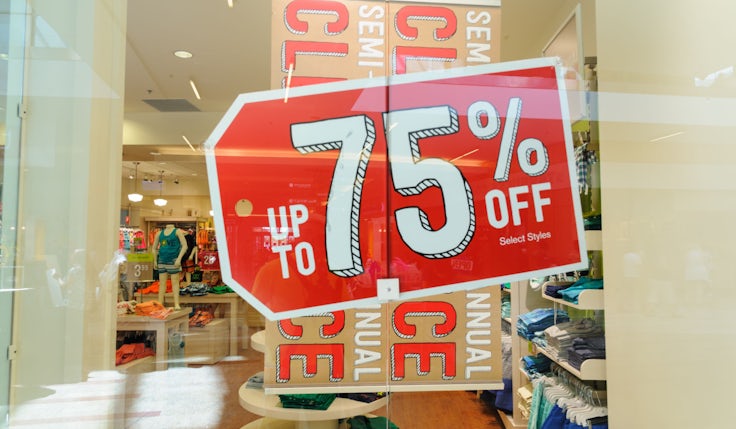
Escaping dependence on price promotions is a tough challenge, but it’s achievable with Mark Ritson’s systematic approach.


AI is making strides in retail personalisation and marketing content creation, and will continue to be a game-changer alongside expert human judgement.

If engagement is falling, your technology isn’t serving your objectives or campaign stagnation is creeping in, it may be time to switch or upgrade your marketing platform. Here’s what you should know.

Virtual production helps brands to cut the costs and environmental harms of video shoots, without compromising on the creative possibilities.