
‘High support, high challenge’: Marketers on how to manage teams in 2024
Ian BurrellFrom setting the vision in a hybrid world to learning to play for “club and country”, marketers discuss the nuances of management.
From setting the vision in a hybrid world to learning to play for “club and country”, marketers discuss the nuances of management.

As “greenshoots” of economic recovery appear, marketers are shifting focus to promotions, events and direct marketing, according to the latest IPA Bellwether report.

Puma’s leadership team has been waiting for the moment the brand would “invest differently” in marketing, something top marketer Richard Teyssier is confident it is doing with new teams, fewer activations and bigger brand investment.

Saga cut marketing spend by £4.2m in 2024, pausing investment in some areas of its insurance business in a challenged market.

Despite revenues falling 18% year-over-year in the six months to March, Asos’s CEO insists the retailer is “delivering” against its turnaround plan.

The average tenure for a CMO at the US’s top 100 advertisers fell again in 2023 to 3.1 years, or 37 months.

Lucozade has united its Energy and Sport offerings under one masterbrand in an attempt to increase brand equity while also creating huge efficiencies in its marketing spend.

Morrisons is trialling the personalised, AI-powered initiative, which rewards shoppers for purchasing particular brands they select from a list, something it says will provide value for both the consumer and brands.

If engagement is falling, your technology isn’t serving your objectives or campaign stagnation is creeping in, it may be time to switch or upgrade your marketing platform. Here’s what you should know.


Newly appointed chief brand officer Ije Nwokorie will take over as CEO next year.

The direct-to-consumer flower business is reducing its marketing spend as it shifts its focus from growth to profitability, following £100m in operating losses last year.

Tom Fishburne is founder of Marketoon Studios. Follow his work at marketoonist.com or on Twitter @tomfishburne See more of the Marketoonist here
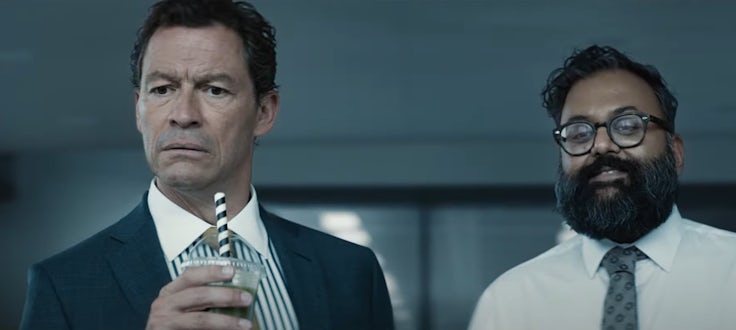
Nationwide’s ad being banned for misleading customers over store closures has left more than a third of consumers feeling more negatively towards the brand.

We arm you with all the numbers you need to tackle the week ahead.

Deborah Dolce has been with TJX Europe, best known for owner TK Maxx, for 30 years and joined as the ‘off-price’ fashion store launched in the UK. She praises culture and curiosity as being key to her longevity at the business.

Sky Broadband and Sky Mobile have a new home – Sky Connectivity. Marketing director Sunny Bhurji believes joining two different marketing teams together is a perfect learning opportunity that will help them eye up growth.

Not only having to deal with a gender pay gap, women in marketing are more likely to take on additional responsibility without an uplift in pay. It’s a problem with no easy solutions but bubbling frustrations.

Exclusive data from Marketing Week’s 2024 Career & Salary Survey reveals the gender pay gap for full-time workers has improved, but only by a minimal 0.5 percentage points.

With stints at LVMH, Estée Lauder and Makeup by Mario under her belt, Estrid’s first chief brand officer Nico Morga Alden’s “risk prone” approach to her career has served her well.

Women’s career progress and salaries take a dive when they become mums, not because they become less good at their job but because policies around parental leave and childcare continue to be biased.

Women’s health is a $1trn per year opportunity yet brands are still failing to represent and communicate to women in a meaningful way.

See the cookie apocalypse as an opportunity to ditch flawed forms of measurement in a quest for greater accuracy.

Brands act to accelerate the value of a business model rather than being assets in themselves. Framing brands as standalone assets will simply serve to alienate finance.


Creative campaigns and exclusive insights from across the agency landscape.

Mars introduced a tool that uses “behavioural philosophy” to predict the impact of creative in driving sales in 2020, part of its eternally evolving effectiveness effort.

Having the right people at the heart of effectiveness programmes is the difference between succeeding and failing.

B2B marketers have long leaned on lead generation as a way to quantify their contribution to revenue, however, with many recognising it can be a blunt measure, is there a better way for marketing to showcase its contributions?

Solving the increasing burden of responsibilities on marketers doesn’t come with any easy answers. But from increasing the profession’s presence in the boardroom to changing the culture of overwork, there are things that can be done.

Marketers should cease pontificating about the validity of CMOs and their time in post, and start focusing on how to do the job better.

Five top marketers from a range of businesses share their outlook for the future of marketing leadership, from struggles with role fragmentation to the need to be deep collaborators.

High levels of inflation have forced many brands to lean on increased prices as a lever of sales growth. This year, growth will have to come from elsewhere, presenting marketers with a huge challenge.

Maintaining a balance between price and footfall growth is a “North Star” for the McDonald’s business, which hopes its growing loyalty scheme will help it further step up its pricing strategy.

Escaping dependence on price promotions is a tough challenge, but it’s achievable with Mark Ritson’s systematic approach.


Today’s consumers are inundated with media vying for their attention, as delegates heard at this year’s Festival of Marketing. So how can cultivating ‘fandom’ help brands cut through?

True emotional connections between brands and customers boost revenue as well as retention, but marketers need an accurate understanding of the key trigger moments.

Consumer interest in eBay’s fashion offerings skyrocketed this year, thanks to a campaign from agency DEPT that bridged TikTok, TV and everything in between.